Evaluating the 3D Hat Card SVG for Professional Paper Crafting
In the evolving landscape of digital paper crafting, the distinction between a generic template and a truly functional design asset often comes down to engineering precision. The 3D Hat Card represents a specific category of layered greeting cards that rely on structural integrity as much as aesthetic appeal. For creators, small business owners, and serious hobbyists, understanding the mechanics behind this type of project is essential before committing time and material resources. This analysis examines the practical value, usability, and real-world application of the 3D Hat Card SVG, focusing on its role in producing high-quality, dimensional stationery.
Structural Design and Engineering Precision
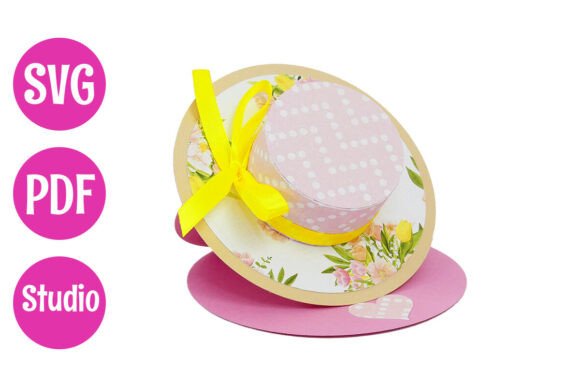
The primary appeal of the 3D Hat Card lies in its dimensional architecture. Unlike flat printed cards, this design utilizes multiple layers of cardstock to create a pop-up effect that mimics the shape of a classic hat. From a technical perspective, the success of such a project depends heavily on the accuracy of the cut files. The SVG provided in this package is designed with clean vector paths, ensuring that cutting machines like Cricut or Silhouette can interpret the lines without unnecessary node clutter. This reduces the risk of blade hesitation or jagged edges, which are common issues in lower-quality digital downloads.
The layering system is not merely decorative; it serves a structural purpose. Each layer adds depth, allowing the hat to rise from the card base when opened. This requires precise alignment during assembly. The inclusion of clear fold lines in the design file is a critical feature that enhances usability. For professionals who produce these cards in batches, consistent fold lines mean predictable results. There is less guesswork involved in determining where the paper should crease, which significantly speeds up the production workflow while maintaining a polished final presentation.
Compatibility and Workflow Integration
One of the most significant factors for any digital craft asset is software compatibility. The 3D Hat Card package includes an SVG file, a PDF for manual printing, and a Studio file specifically for Silhouette users. This multi-format approach acknowledges the fragmented nature of the cutting machine market. Whether you are using Cricut Design Space, Silhouette Studio, or other compatible software, the files are optimized for direct import. This eliminates the need for third-party conversion tools, which can sometimes distort vector paths or alter scale dimensions.
For educators and workshop leaders, the availability of a PDF file is particularly valuable. It allows for traditional printing and hand-cutting exercises, making the design accessible to those who may not own expensive cutting machinery. This flexibility broadens the potential user base, enabling the design to be used in diverse settings ranging from professional home studios to classroom environments. The instant digital download format further supports efficient workflow management, allowing creators to access assets immediately without waiting for physical shipping.
Material Considerations and Assembly Realities
While the digital file provides the blueprint, the physical outcome is heavily influenced by material choice. The 3D Hat Card performs best with medium-to-heavy weight cardstock, typically between 65lb and 80lb cover weight. Lighter papers may lack the rigidity required to support the pop-up structure, causing the hat to collapse over time. Conversely, extremely thick board may be difficult to fold cleanly along the designated lines, potentially leading to cracks or unsightly white stress marks on colored paper.
Assembly requires patience and attention to detail. The layered nature of the design means that adhesive application must be precise. Using liquid glue can cause warping if too much is applied, while double-sided tape offers a cleaner, faster alternative for flat surfaces. For the curved elements of the hat, a combination of both methods may be necessary to ensure durability. Creators should anticipate a learning curve during the first few assemblies. However, once the technique is mastered, the process becomes repetitive and efficient, making it suitable for small-batch production runs.
Target Audience and Practical Applications
The 3D Hat Card is not a one-size-fits-all solution. Its niche appeal makes it ideal for specific occasions and audiences. It is particularly well-suited for birthday celebrations, retirement parties, and milestone events where a touch of whimsy and sophistication is desired. For entrepreneurs selling handmade goods on platforms like Etsy, this design offers a unique selling proposition. It stands out from standard flat cards, allowing sellers to command a higher price point due to the perceived value of the labor and complexity involved.
Marketers and event planners may also find utility in this design for creating distinctive party invitations or thank-you notes. The three-dimensional aspect creates a memorable unboxing experience for recipients, enhancing brand perception or personal connection. However, it is important to note that the postage cost for mailing these cards will be higher than standard envelopes due to their bulk and rigidity. Users must factor this into their budget if they plan to distribute them via mail.
Strengths and Limitations
The strengths of the 3D Hat Card are evident in its visual impact and professional finish. The clean layers and thoughtful design allow for customization in color and texture, enabling creators to match specific themes or branding guidelines. The digital format ensures consistency across multiple copies, which is crucial for maintaining quality control in a business setting. Furthermore, the ease of cutting reduces material waste, contributing to a more sustainable crafting practice.
However, there are limitations to consider. The assembly time is significantly longer than that of a flat card. For individuals seeking quick, last-minute solutions, this project may not be practical. Additionally, the structural integrity relies on proper handling. If the card is subjected to rough treatment or heavy pressure, the pop-up mechanism could be damaged. Therefore, it is recommended to include protective packaging if the cards are being sold or gifted through the mail. Users must also possess a basic level of dexterity and crafting skill to achieve the best results.
Long-Term Value and Versatility
Investing in a high-quality SVG like the 3D Hat Card offers long-term value for creative professionals. Unlike physical templates that can wear out or get lost, digital files can be stored indefinitely and reused countless times. The versatility of the design allows for endless variations. By changing the color palette, adding embellishments like ribbons or gems, or altering the message inside, creators can produce a wide range of distinct products from a single base file. This adaptability makes it a cost-effective resource for those looking to expand their product offerings without constant new purchases.
Moreover, the skills developed while assembling this card are transferable to other complex paper crafts. Understanding how layers interact and how to manage fold lines builds a foundation for more advanced projects. For educators, this makes the 3D Hat Card an excellent teaching tool for demonstrating principles of geometry, spatial awareness, and fine motor skills in a practical, engaging context.
Final Assessment
The 3D Hat Card SVG is a robust resource for those committed to high-quality paper crafting. It balances aesthetic charm with structural logic, providing a reliable framework for creating impressive dimensional cards. While it demands a higher investment of time and skill compared to simpler designs, the resulting product offers a tangible sense of craftsmanship that resonates with recipients. For professionals, hobbyists, and educators willing to engage with the assembly process, this digital asset delivers consistent, professional results that justify its inclusion in a creative toolkit.