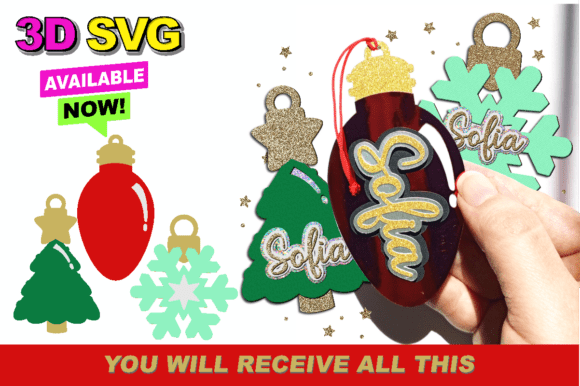
Christmas Ornament 3D SVG: A Workflow Guide for Creators and Makers
The modern digital crafting landscape has shifted from simple flat cuts to intricate, layered designs that demand precision and versatility. At the heart of this evolution is the Christmas Ornament 3D SVG, a file format designed to bridge the gap between digital creativity and physical production. Unlike traditional vector files that offer a single silhouette, these assets provide depth through multiple layers, allowing creators to build dimensional decorations with professional-grade accuracy. For professionals, small business owners, and hobbyists alike, understanding how to integrate this specific file type into your workflow is essential for maximizing output quality and efficiency.
This guide explores the practical application of the Christmas Ornament 3D SVG within real-world creative processes. We will examine how these files function before, during, and after a project, ensuring you can leverage them effectively whether you are running a holiday pop-up shop or crafting personalized gifts for family.
Understanding the Asset and Its Role in Production
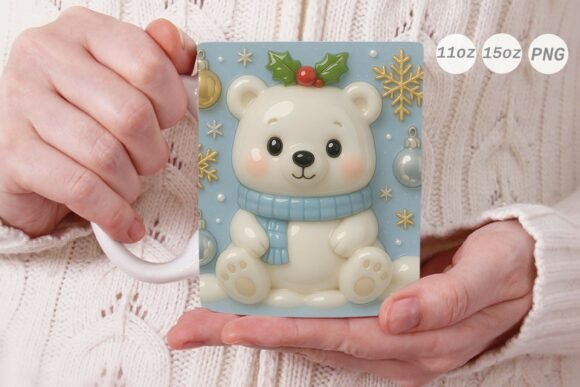
A Christmas Ornament 3D SVG is not merely an image; it is a structured set of vector instructions organized by layer. When you download this asset, typically found in a neat, zipped folder, you are acquiring a blueprint for construction. The "3D" designation refers to the visual effect achieved when different colored layers are stacked upon one another, creating shadows, highlights, and texture without the need for complex printing techniques.
In a broader production process, this file serves as the foundational element. It dictates the cutting path for your machine, the order of operations for assembly, and the final aesthetic outcome. Whether you are using vinyl, cardstock, felt, or specialty holographic materials, the SVG structure ensures that every piece aligns perfectly. This structural integrity is what separates amateur projects from polished, market-ready products.
Pre-Production: Preparation and Compatibility Checks
Before initiating any cutting job, the preparation phase is critical. The first step involves verifying the compatibility of your equipment with the file format. While the Christmas Ornament 3D SVG is effortlessly trimmable on industry-standard software like Silhouette Studio and Cricut Design Space, other machines may require specific handling.
If your creativity flows through a different type of machine, such as a laser cutter or a specialized plotter, kindly ascertain its compatibility with this distinct file format. Most modern devices accept standard SVG inputs, but some may struggle with nested paths or specific layer attributes common in 3D designs. To mitigate risks:
- Unzip the file correctly: Ensure all layers remain intact and are not separated into individual folders, which can disrupt the stacking order.
- Inspect layer hierarchy: Open the file in your preferred software before importing it to your machine. Check if the background, middle, and top layers are clearly defined.
- Test a single unit: Always run a test cut on scrap material to verify that the dimensions match your expectations and that the blade depth is appropriate for the chosen medium.
This due diligence prevents wasted materials and ensures that the transition from digital file to physical object is seamless. It also allows you to adjust settings, such as blade pressure and speed, based on the thickness of the layers required for the 3D effect.
Integration into Creative Workflows
Once compatibility is confirmed, the Christmas Ornament 3D SVG becomes a versatile tool within your creative ecosystem. Its utility extends beyond simple decoration; it can be integrated into various stages of a project to enhance consistency and brand identity.
For Small Business Owners and Entrepreneurs
For those running craft-based businesses, time management and inventory control are paramount. Using a standardized 3D SVG file allows for batch production. You can design a series of ornaments that share a consistent style, ensuring your product line looks cohesive on shelves or online listings. The ability to quickly import the file into Cricut Design Space or Silhouette Studio means you can switch between color schemes rapidly, adapting to customer requests or seasonal trends without redesigning the core asset.
Furthermore, these files facilitate upselling strategies. By offering the same ornament design in different material combinations—such as metallic foil paired with matte cardstock—you increase perceived value while maintaining a streamlined production workflow.
For Educators and Workshop Leaders
In educational settings, the Christmas Ornament 3D SVG serves as an excellent teaching tool for geometry, layering, and digital literacy. Educators can use the file to demonstrate how vector paths translate into physical shapes. Students can learn about color theory by selecting their own layer combinations, fostering creativity within a structured framework. The clear organization of the zipped folder makes it easy for instructors to distribute files to students, ensuring everyone starts with the exact same high-quality base.
For Hobbyists and Personal Projects
For individuals focused on personal goals, such as creating custom holiday decor, the asset simplifies the decision-making process. Instead of spending hours drawing or tracing, you can focus on material selection and assembly. The pre-designed nature of the file allows you to experiment with textures and finishes, turning a standard craft session into a sophisticated design experience.
Execution: Cutting, Assembly, and Quality Control
The execution phase is where the digital file meets physical reality. Because the Christmas Ornament 3D SVG relies on precise alignment, the cutting process requires attention to detail. When loading the file into your software, ensure that the "Weld" or "Attach" functions are used appropriately depending on your desired outcome. For true 3D effects, layers often need to be cut separately and then adhered.
Efficiency during this stage comes from planning the layout on your cutting mat. Use nesting features in your software to maximize material usage, especially when working with expensive specialty papers. Consistency is key; if you are producing ten ornaments, ensure they are all cut from the same mat setup to avoid slight variations in size or shape.
Quality control should happen immediately after cutting. Inspect each layer for missed cuts or jagged edges. Since the 3D effect depends on the clean interaction of multiple pieces, even a minor imperfection in a lower layer can detract from the final look. If a layer fails, do not proceed with assembly until the issue is resolved. This discipline ensures that the final product maintains a professional standard.
Post-Project: Organization and Long-Term Utility
After completing your project, the work does not end. Proper organization of your digital assets is crucial for long-term usability. Save the original Christmas Ornament 3D SVG file in a dedicated folder, separate from your modified project files. This practice ensures that you always have access to the pristine version for future iterations or new color palettes.
Consider documenting your successful material combinations and machine settings alongside the file. A simple text note detailing which blade pressure worked best for a specific paper weight can save significant time next year. This documentation transforms a single-use asset into a reusable resource, enhancing your overall productivity.
Moreover, the versatility of the SVG format means these files are future-proof. As technology evolves and new cutting machines enter the market, the fundamental vector structure remains compatible. By investing time in mastering the use of these files now, you build a library of assets that will serve your creative needs for years to come.
Optimizing Your Process for Better Outcomes
To truly leverage the Christmas Ornament 3D SVG, adopt a mindset of continuous improvement. Analyze your workflow at each stage: Are you spending too much time unzipping and organizing files? Can you automate the import process? Is there a faster way to adhere the layers?
Collaboration is another factor. If you work with a team, establish a shared protocol for file naming and storage. This ensures that everyone accesses the correct version of the asset, preventing errors caused by outdated or modified files. Clear communication regarding the capabilities of the file—what it can and cannot do—helps manage expectations and streamlines the decision-making process.
Ultimately, the value of the Christmas Ornament 3D SVG lies not just in the design itself, but in how efficiently you can transform it into a tangible result. By treating the file as a strategic component of your workflow rather than a static image, you unlock higher levels of creativity, consistency, and professional quality. Whether you are fulfilling a large commercial order or crafting a single heirloom piece, the principles of preparation, integration, and execution remain the same.