3D Paper Relief Illustrations Vol 7: A Practical Guide to Integration and Workflow
In the landscape of digital design, where flat vectors and photorealistic renders often dominate, there is a distinct value in texture that mimics the physical world. 3D Paper Relief Illustrations Vol 7 arrives as a curated resource for designers, publishers, and creators seeking to inject tactile depth into their projects without the overhead of physical production. This collection is not merely a set of images; it is a functional asset designed to enhance visual storytelling through sculptural depth, layered texture, and softly natural forms. For professionals managing tight deadlines or hobbyists refining a personal aesthetic, understanding how to integrate these assets into a broader workflow is essential for maximizing their impact.
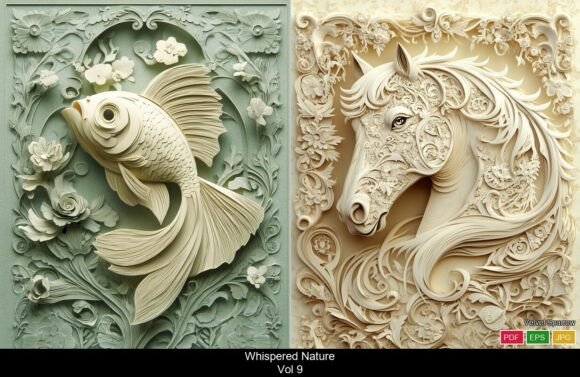
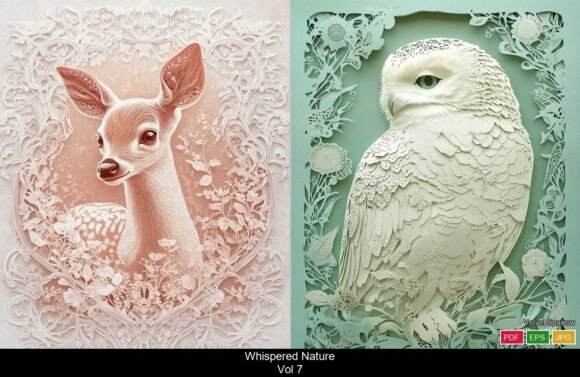
The collection belongs to the ongoing Whispered Nature Series, a line dedicated to dimensional paper-cut artwork inspired by animals, botanicals, and organic shapes. Unlike generic stock photography, this volume offers a cohesive visual language defined by muted tones, gentle curves, and a sense of calm restraint. When incorporated into a project, these illustrations serve as anchors for mood and atmosphere, guiding the viewer toward slow looking and thoughtful engagement. Whether you are designing a high-end editorial spread, creating marketing materials for a wellness brand, or compiling a mixed-media art journal, the strategic use of 3D Paper Relief Illustrations Vol 7 can elevate the perceived quality of your work.
Understanding the Asset Structure and Design Intent
Before integrating any creative asset into a production pipeline, it is crucial to understand its inherent characteristics and limitations. 3D Paper Relief Illustrations Vol 7 consists of 12 high-resolution illustrations. Each image is crafted with a focus on dimensional layering, simulating the way light interacts with stacked paper cutouts. The color palette is soft and cohesive, avoiding harsh contrasts in favor of an organic harmony that complements a wide range of backgrounds.
This specific style—tactile and refined—is particularly effective for projects requiring a tranquil emotional tone. The illustrations are not intended to be loud or aggressive; rather, they function as subtle enhancers of balance and stillness. In a design process, this means the assets should be treated as foundational elements rather than afterthoughts. Their sculptural compositions are best utilized when the goal is to evoke a sense of nature, growth, or mindfulness. Understanding this intent allows designers to select the right moment in the workflow to introduce these visuals, ensuring they align with the project's core message from the outset.
Strategic Integration into Creative Workflows
The versatility of 3D Paper Relief Illustrations Vol 7 allows it to fit seamlessly into various stages of a creative lifecycle, from initial concepting to final delivery. For those involved in planning and pre-production, these illustrations can serve as powerful tools for moodboarding. Because the series emphasizes depth and texture, placing these images alongside typography samples, color swatches, and layout sketches helps establish a clear visual direction early on. This practice ensures that the final output maintains consistency in tone, preventing the disjointed look that often plagues projects assembled from disparate sources.
During the execution phase, the high-resolution nature of the files supports diverse applications. Designers working on feature pages for art journals or magazines can utilize the layered detail to create focal points that draw the eye. In digital environments, such as website headers or social media graphics, the dimensional quality of the paper relief style adds a unique textural element that stands out against standard flat designs. Furthermore, for mixed media and collage projects, these digital assets can be printed and physically manipulated, bridging the gap between digital efficiency and analog craftsmanship.
Post-project, these illustrations remain valuable for archival and repurposing purposes. Because each volume contains unique selections with no repeated images across the series, creators can build a growing library of assets. This long-term usability is critical for brands and individuals who need to maintain a consistent aesthetic over time. By organizing these files within a structured digital asset management system, teams can quickly access specific motifs—such as botanicals or animal forms—to refresh existing campaigns or create derivative works without starting from scratch.
Compatibility and Technical Considerations
Successful implementation relies heavily on technical compatibility. The high-resolution format of 3D Paper Relief Illustrations Vol 7 ensures that the intricate details of the paper layers remain crisp even when scaled for large-format printing. However, users must consider the file formats and color profiles required by their specific output medium. For print workflows, ensuring that the images are converted to CMYK and checked for resolution (typically 300 DPI at full size) is a necessary step to preserve the fidelity of the sculptural effects.
In digital contexts, the transparency and layering capabilities of the files allow for flexible compositing. Designers can place these illustrations over solid colors, gradients, or textured backgrounds to enhance the perception of depth. It is important to note that the muted tones of the Whispered Nature Series work best when paired with complementary, non-distracting backgrounds. Overly busy patterns or saturated colors may compete with the delicate details of the paper relief, diminishing the intended effect of calm restraint.
Organization plays a pivotal role in maintaining efficiency. Since the Whispered Nature Series is an ever-growing collection, keeping track of volumes is essential. Users should tag and categorize files according to theme, volume number, and usage rights. This organizational discipline prevents duplication of effort and ensures that the unique selection of artwork in Volume 7 is easily distinguishable from previous or future releases. By treating these assets as part of a larger, evolving system, creators can streamline their search processes and reduce the time spent sourcing new imagery.
Practical Use Cases and Implementation Scenarios
To illustrate the practical application of 3D Paper Relief Illustrations Vol 7, consider several real-world scenarios where these assets drive value:
- Editorial Design: For publishers creating feature articles on sustainability, mindfulness, or botany, these illustrations provide a sophisticated visual anchor. They can be used as chapter dividers, section headers, or full-page spreads that break up dense text and invite the reader to pause.
- Brand Identity and Marketing: Entrepreneurs launching products in the wellness, eco-friendly, or lifestyle sectors can leverage the organic shapes and natural forms to communicate brand values. Using these images on packaging, brochures, or website banners creates an immediate association with quality and tranquility.
- Personal Projects and Art Journals: Hobbyists and artists can incorporate these files into digital scrapbooking or physical collages. The ability to print and cut these digital assets allows for a hybrid creative process, blending the precision of digital design with the tactile satisfaction of handmade crafts.
- Interior Decor and Wall Art: The high resolution makes these illustrations suitable for giclée prints or canvas wraps. Homeowners and interior designers can use them to add a touch of artistic refinement to living spaces, utilizing the dimensional style to create visual interest on walls.
In each of these scenarios, the key to success lies in intentional placement. The illustrations should not simply fill empty space; they must contribute to the narrative and emotional resonance of the project. By focusing on the strengths of the Whispered Nature Series—depth, balance, and stillness—creators can produce work that feels deliberate and polished.
Long-Term Value and Series Continuity
One of the defining features of 3D Paper Relief Illustrations Vol 7 is its position within a larger, expanding ecosystem. The Whispered Nature Series is designed to grow over time, with each volume offering a unique selection of artwork. This continuity provides a significant advantage for long-term projects and branding strategies. Creators can plan content calendars or product lines around the release of new volumes, knowing that fresh, high-quality assets will be available without compromising the established aesthetic.
For businesses and freelancers, this model reduces the risk of creative stagnation. Instead of searching for entirely new styles that might clash with existing brand guidelines, teams can expand their visual vocabulary within a trusted framework. The absence of repeated images across the series ensures that every new acquisition brings something novel to the table. To fully capitalize on this, users are encouraged to explore other volumes by searching for the custom tag WhisperedNatureSeries. This approach fosters a sustainable workflow where resources are accumulated strategically, supporting both immediate needs and future aspirations.
Ultimately, the integration of 3D Paper Relief Illustrations Vol 7 into a creative workflow is about more than just adding pictures to a document. It is about adopting a mindset that values texture, depth, and thoughtful composition. By understanding the technical requirements, planning for strategic placement, and recognizing the long-term potential of the series, professionals and enthusiasts alike can harness the power of these illustrations to create work that is both visually stunning and emotionally resonant. In a world of rapid consumption, these assets offer a rare opportunity to slow down, look closer, and appreciate the beauty of carefully crafted design.