Fast Food 3D SVG: A Practical Guide for Crafters and Designers
The landscape of digital crafting has evolved significantly, moving beyond simple flat silhouettes into the realm of layered depth and texture. Among the various file formats available to hobbyists and professionals alike, the Fast Food 3D SVG has emerged as a distinct resource for those seeking to add dimensionality to their projects without the complexity of traditional modeling software. This format is designed to be easily accessible in a neat, zipped folder, ensuring that users can immediately begin working with the files upon download. Whether you are creating custom t-shirts, designing intricate vinyl decals, or preparing materials for laser cutting, understanding the specific utility of this format is essential for optimizing your workflow.
Defining the Fast Food 3D SVG Format
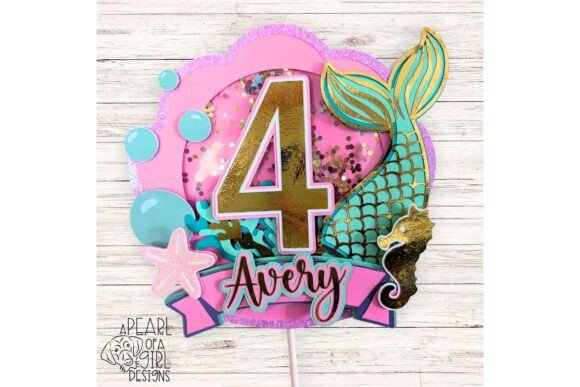
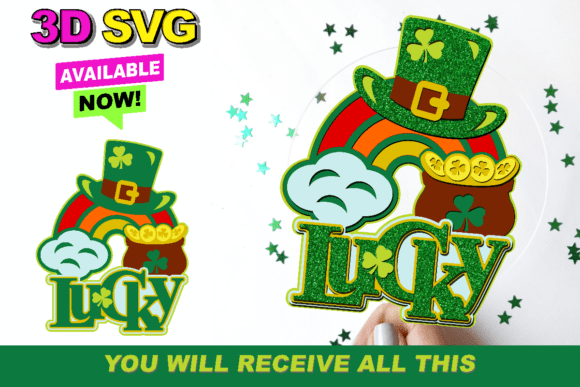
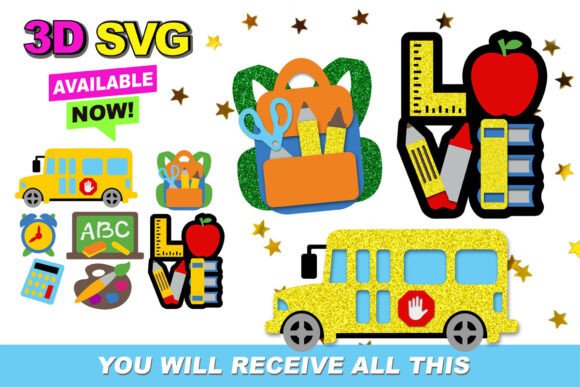
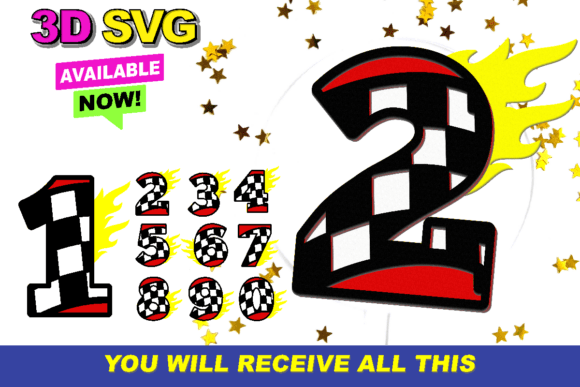
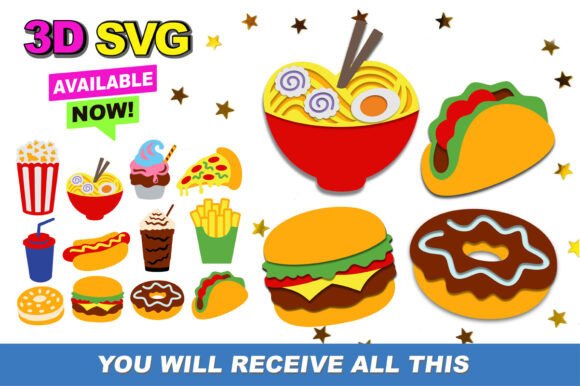
At its core, an SVG (Scalable Vector Graphics) file is a vector-based image format that allows graphics to be scaled to any size without losing quality. However, a standard SVG typically represents a single layer or a collection of flat shapes. The Fast Food 3D SVG differs by utilizing multiple layers within a single file structure to simulate three-dimensional effects. When viewed through compatible design software, these layers stack to create shadows, highlights, and depth, mimicking the appearance of a burger, fries, or other culinary icons with realistic volume.
The "Fast Food" designation refers specifically to the thematic content of the designs, which often includes iconic items like cheeseburgers, hot dogs, tacos, and milkshakes. These designs are not merely illustrations; they are engineered for fabrication. The distinct advantage of this format lies in its construction. Each element of the food item is separated into individual paths, allowing for precise manipulation. This separation is crucial when using machines like Silhouette Cameo or Cricut Maker, where different colors or textures require separate cutting passes.
Furthermore, the delivery method plays a significant role in user experience. Being provided in a neatly organized, zipped folder ensures that all necessary assets—such as the primary 3D SVG, potential DXF backups, and sometimes PNG previews—are contained in one location. This organization reduces the friction of setup time, allowing crafters to focus on the creative process rather than file management.
Compatibility and Software Integration
One of the primary considerations for any digital asset is how well it integrates with existing tools. The Fast Food 3D SVG is explicitly optimized for two of the most popular platforms in the crafting community: Silhouette Studio and Cricut Design Space. In Silhouette Studio, the multi-layered nature of the file allows users to expand the SVG and assign specific cut lines to each layer. This capability is vital for projects requiring color separation or heat transfer vinyl (HTV) application, where each color must be weeded and applied sequentially.
In Cricut Design Space, the import process similarly recognizes the layered structure, enabling users to "ungroup" the elements to access individual components. This flexibility supports complex designs where a shadow layer might need to be offset slightly from the main object to enhance the 3D effect physically, not just visually. For instance, a crafter might cut the main burger patty in red vinyl and the shadow layer in black, stacking them to create a tangible pop-out effect.
However, compatibility extends beyond these two dominant players. If your creativity flows through a different type of machine, such as a Brother ScanNCut, a Glowforge laser cutter, or a professional plotter, it is imperative to ascertain its compatibility with this distinct file format. While many modern machines support SVG natively, some may require conversion to DXF or PDF. Before committing to a project, users should verify that their specific hardware and software ecosystem can interpret the nested layers of a 3D SVG correctly. Attempting to use a complex 3D file on a system that flattens vectors upon import could result in a loss of the intended depth and detail.
Comparing 3D SVGs with Alternative Formats
When evaluating resources for a fast food-themed project, it is helpful to compare the Fast Food 3D SVG against other common options. The most frequent alternative is the standard flat SVG. While flat SVGs are excellent for simple, single-color cuts, they lack the inherent layering required for dimensional work. Converting a flat image into a 3D representation manually requires significant time and skill in vector editing software. The pre-constructed 3D SVG eliminates this step, offering a ready-to-use solution that saves hours of labor.
Another alternative is the raster image, such as JPEG or PNG. Raster images are pixel-based and do not scale well; enlarging them leads to pixelation and jagged edges. More importantly, they cannot be used for cutting machines unless converted via trace functions, which often introduces errors and imprecise lines. In contrast, the vector nature of the Fast Food 3D SVG guarantees crisp edges regardless of the final output size, making it superior for large-format applications like banners or vehicle wraps.
There are also AI-generated or hand-drawn illustrations available in various formats. While these offer unique artistic styles, they often come with messy node structures or ungrouped elements that are difficult to edit. The Fast Food 3D SVG is typically engineered with clean paths and logical grouping, prioritizing manufacturability over pure artistic abstraction. This makes it a more practical choice for production environments where consistency and efficiency are paramount.
Strengths, Tradeoffs, and Decision Factors
The decision to utilize a Fast Food 3D SVG depends heavily on the specific goals of the project. The primary strength of this format is its ability to bridge the gap between digital design and physical depth. It allows for sophisticated visual effects that are otherwise difficult to achieve with basic cutting tools. For example, creating a layered decal for a coffee shop window becomes straightforward when the shadow and highlight layers are already defined and positioned.
However, there are tradeoffs to consider. The file size of a 3D SVG is generally larger than a flat SVG due to the increased number of nodes and layers. This can occasionally slow down rendering times in less powerful software or on older computers. Additionally, the complexity of the design may require more material usage. If a project involves multiple colors and layers, the amount of vinyl or paper needed increases proportionally. Users must weigh the aesthetic benefit of the 3D effect against the cost of materials and the time required for multi-pass cutting and weeding.
Another factor is the learning curve. While the file itself is "effortlessly trimmable," the user must still possess a baseline understanding of layer management in their chosen software. Beginners who are unfamiliar with concepts like "offsetting," "welding," or "layer ordering" may find the initial setup challenging. In such cases, starting with simpler, flat designs might be more appropriate before advancing to 3D files.
Best-Fit Situations and Limitations
The Fast Food 3D SVG is the right choice for projects where visual impact and dimensionality are critical. It is particularly well-suited for:
- Commercial Branding: Restaurants, food trucks, and catering services looking for eye-catching signage or packaging labels.
- Custom Apparel: T-shirts and hoodies where a raised, textured look adds value and appeal.
- Event Decor: Birthday parties, themed events, or promotional booths requiring high-quality, durable decals.
- Home Organization: Custom labels for kitchen storage containers or pantry organizers that need to stand out.
Conversely, there are situations where this format may not be the optimal choice. If the project requires a very quick turnaround with minimal material waste, a single-layer design might be more efficient. Similarly, if the end product will be viewed from a distance where fine details are indistinguishable, the added complexity of a 3D file may not provide sufficient return on investment. Furthermore, for projects involving extremely small text or intricate details that fall below the resolution capabilities of the cutting machine, a simplified version of the design would yield better results.
Maximizing Value Through Strategic Use
To get the most out of a Fast Food 3D SVG, users should approach the file with a strategic mindset. Before importing, review the included documentation or readme files, as these often contain tips on layer arrangement and recommended settings. Experiment with different material combinations; pairing a matte base layer with a glossy top layer can enhance the 3D illusion significantly. Additionally, consider the lighting conditions of the final display environment, as shadows and highlights interact differently under natural versus artificial light.
Ultimately, the Fast Food 3D SVG represents a balance between artistic expression and technical precision. It offers a streamlined path to creating professional-grade designs without the need for advanced 3D modeling skills. By understanding its strengths, limitations, and compatibility requirements, crafters can make informed decisions that align with their specific project needs. Whether you are a seasoned professional or an enthusiast exploring new techniques, this format provides a versatile foundation for bringing culinary-inspired creativity to life.